
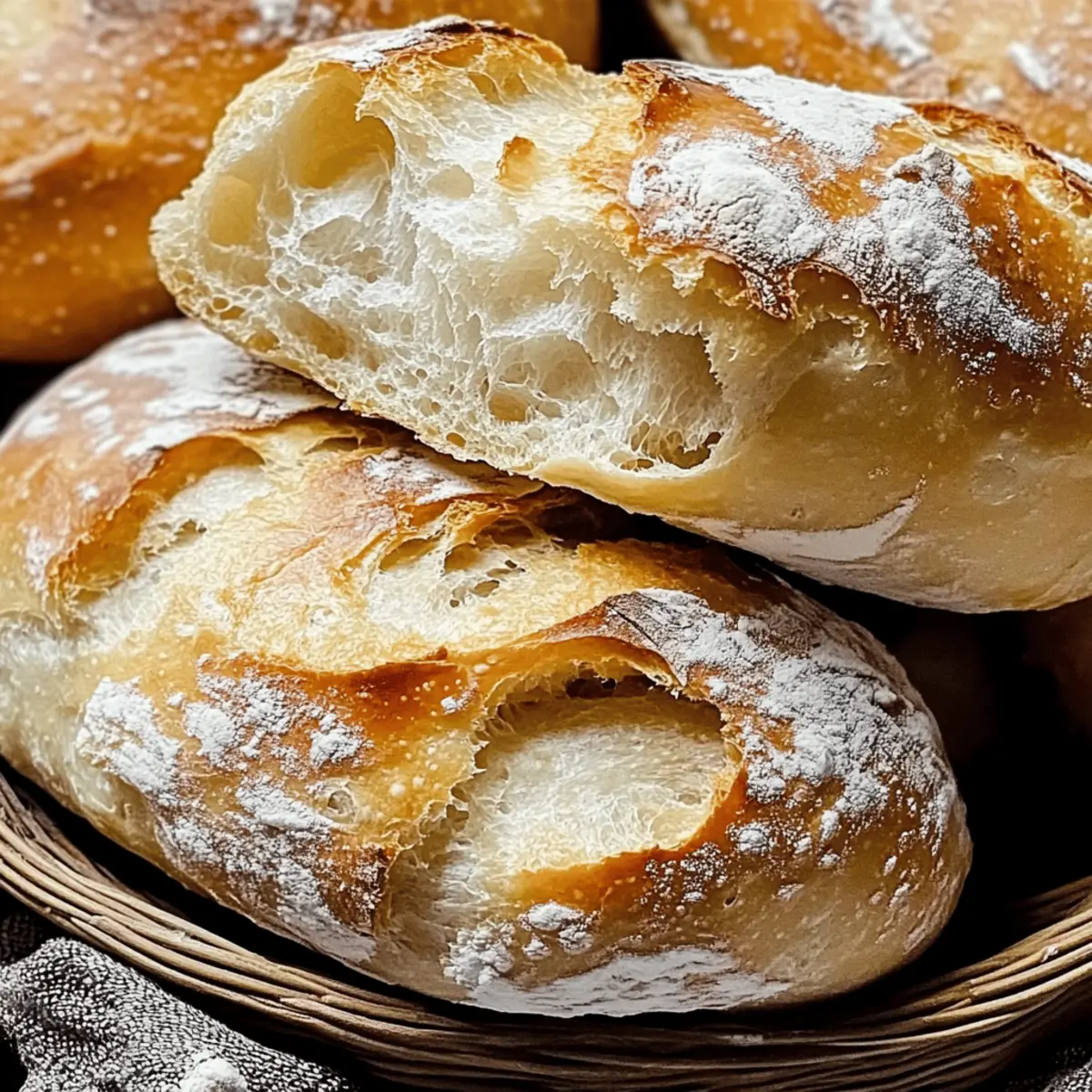
The warm aroma of freshly baked bread wafts through my kitchen, instantly transporting me to a quaint Italian bakery. Today, I’m thrilled to share my recipe for Crispy Ciabatta Bread, a delightful treat that will have everyone asking for seconds. This recipe is not only simple to follow, making it perfect for both seasoned bakers and weekend cooking enthusiasts, but it also opens up a world of culinary possibilities. Whether you enjoy it as the base for scrumptious sandwiches or dipped in rich olive oil, the airy interior and crispy crust ensure satisfaction in every bite. Best of all, with options for gluten-free and vegan variations, everyone can gather around the table to enjoy this homemade goodness. Ready to elevate your bread game? Let’s dive into the delightful world of ciabatta!
Why Is This Ciabatta Recipe Irresistible?
Simplicity makes it approachable! This recipe invites everyone into the world of baking, requiring little more than basic skills.
Aromatic Bliss: The scent of fresh bread fills your home, evoking the charm of an Italian bakery.
Versatile Use: Enjoy it as sandwiches, toast, or with dips—your options are endless!
Customizable Flavors: Add herbs or even cheeses to make it your own!
Crowd-Pleaser: This ciabatta is sure to impress family and friends, making it a perfect addition to any gathering. Pair it with Keto Tortilla Chips for a fun appetizer or serve alongside your favorite soup and watch it disappear!
Crispy Ciabatta Bread Ingredients
• The key to this delightful bread lies in the quality of its ingredients!
For the Dough
• 4 cups all-purpose flour – Provides structure and body to the bread; you can substitute with high-protein bread flour for better texture.
• 2¼ teaspoons active dry yeast – Acts as a leavening agent to help the dough rise; ensure freshness for optimal rising, and instant yeast is a great alternative.
• 1½ cups warm water (around 110°F / 43°C) – Hydrates the flour to create the perfect dough consistency; use a thermometer to avoid killing the yeast with water that's too hot.
• 1 teaspoon coarse sea salt – Enhances flavor and strengthens gluten for the dough's structure; avoid table salt which can negatively affect texture.
• 2 tablespoons olive oil (optional for drizzling before baking) – Adds flavor and helps form a delectably crispy crust; for vegan options, a neutral vegetable oil can be used.
Step‑by‑Step Instructions for Crispy Ciabatta Bread
Step 1: Combine Dry Ingredients
In a large mixing bowl, combine 4 cups of all-purpose flour and 2¼ teaspoons of active dry yeast. Make a well in the center and gradually pour in 1½ cups of warm water, about 110°F (43°C). Stir until a shaggy, sticky dough forms, ensuring the yeast is evenly distributed throughout the flour. This initial mix creates the foundation for your crispy ciabatta bread.
Step 2: Knead the Dough
Turn the dough onto a floured surface and knead it for about 10 minutes. Use your palms to push and fold the dough in a rhythmic motion until it becomes smooth and elastic. The dough should slightly spring back when poked. This hand-kneading helps develop gluten, contributing to the bread's airy texture.
Step 3: First Rise
Transfer the kneaded dough into a lightly oiled bowl, turning it to coat the surface. Cover the bowl with a damp cloth or plastic wrap, and place it in a warm area to rise. Let it sit for about 2 hours or until the dough has doubled in size. You'll know it's ready when it has a light, puffy appearance, promising a delightful airiness in your ciabatta.
Step 4: Shape the Loaves
After the dough has risen, punch it down gently to release excess air. Divide the dough into two equal portions and shape each into a rectangular loaf by flattening it gently and folding the edges inward. Place the shaped loaves on parchment-lined baking sheets, ensuring they have enough space to expand during the second rise.
Step 5: Second Rise
Cover the loaves loosely with a kitchen towel and let them rise again in a warm spot for about 1 hour. This rise is crucial for achieving that perfect texture in your crispy ciabatta bread. Look for the dough to swell and puff up, indicating it’s ready for baking.
Step 6: Preheat and Bake
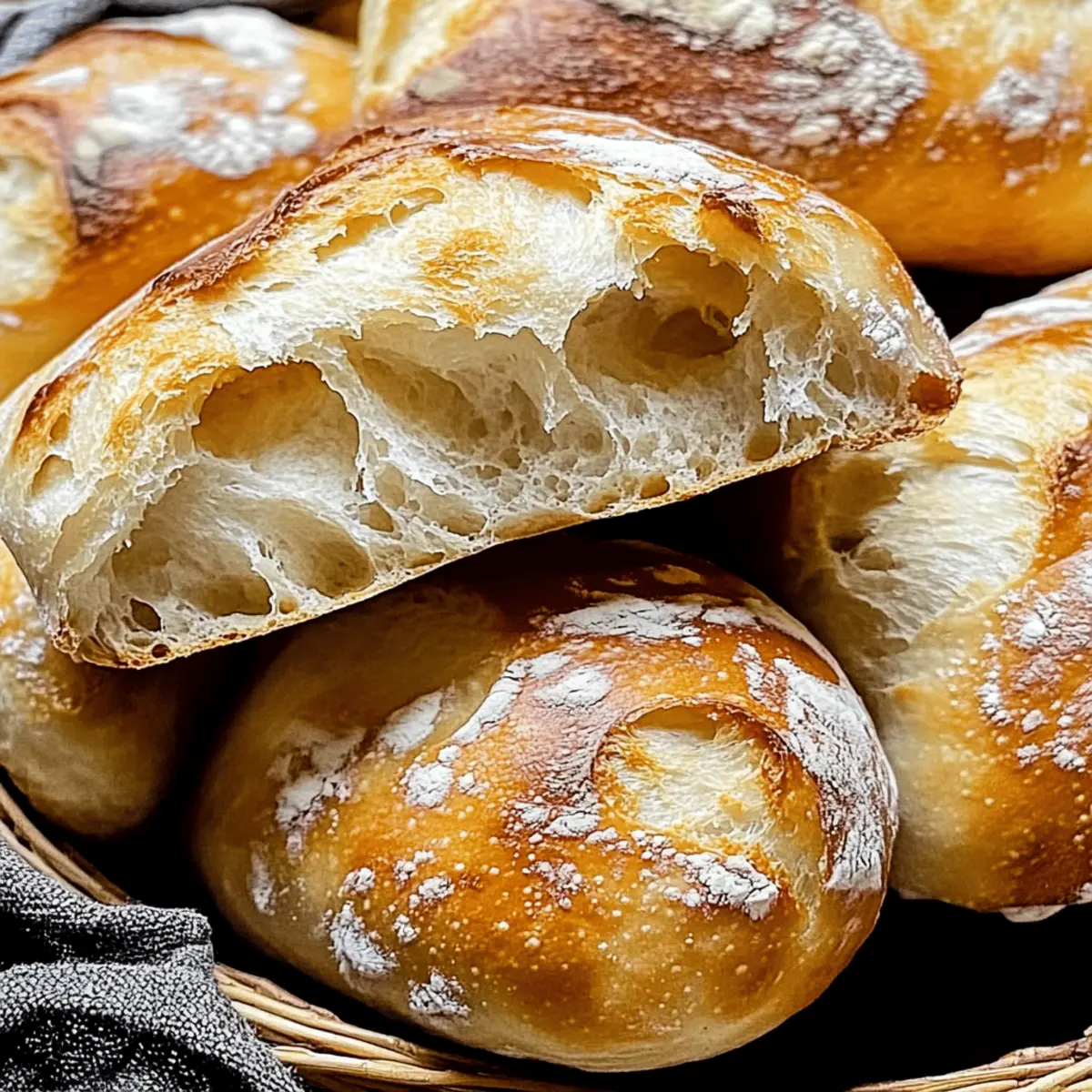
Preheat your oven to 450°F (230°C) to create a hot environment for baking. Once the oven is ready, drizzle the loaves with olive oil, lightly sprinkle with coarse sea salt, and place them in the oven. Bake for 25-30 minutes or until the loaves turn a beautiful golden brown. The crust should sound hollow when tapped, signaling the ciabatta is perfectly crispy.
Variations & Substitutions for Crispy Ciabatta Bread
Feel free to explore the exciting ways you can customize this delightful bread to suit your taste buds!
-
Herb-Infused: Add fresh rosemary or thyme directly into the dough for an aromatic experience that transports you to an Italian herb garden. The earthy fragrance complements the airy texture, making every bite a joy.
-
Mediterranean Twist: Incorporate sun-dried tomatoes or olives for a burst of savory flavor. This variation adds a delightful complexity that beautifully contrasts the soft crumb of the ciabatta.
-
Whole Wheat Version: Substitute half of the all-purpose flour with whole wheat flour for a nuttier taste and a healthy twist. You'll enjoy a heartier loaf that pairs wonderfully with soups and salads.
-
Cheesy: Fold in grated cheeses like Parmesan or Asiago for a rich, savory profile that will have everyone reaching for seconds. Cheese adds a delightful richness to the ciabatta, elevating its flavor beautifully.
-
Spicy: Stir in crushed red pepper flakes for a kick that'll make your taste buds dance. This spicy option brings a lively heat, perfect for those who like their bread with a touch of sass.
-
Vegan Option: Swap out the olive oil for a neutral vegetable oil to make this ciabatta vegan-friendly. You won't sacrifice any taste, ensuring everyone can enjoy this delicious bread.
-
Sweet Ciabatta: Mix in a touch of honey or maple syrup, along with cinnamon, to create a unique sweet ciabatta that pairs beautifully with butter or jam. Enjoy it as a breakfast treat!
-
Gluten-Free: Use a gluten-free all-purpose flour blend to make this ciabatta accessible to those avoiding gluten. Just be sure to check that the flour blend contains xanthan gum for the best texture.
Don't hesitate to mix and match these ideas! Whether you're dipping it in olive oil or using it to create a classic sandwich, each variation adds a unique twist that’s sure to impress. Overall, your homemade ciabatta can transform into a culinary canvas, ready to be paired with anything from Keto Tortilla Chips to a comforting bowl of Tomato Basil Soup. Enjoy the journey!
How to Store and Freeze Crispy Ciabatta Bread
Room Temperature: Keep the bread in a paper bag at room temperature for up to 3 days to maintain its crispness and flavor. Avoid plastic, as it traps moisture and compromises texture.
Freezer: For longer storage, wrap cooled ciabatta tightly in plastic wrap and then in aluminum foil; it keeps well for up to 3 months. This ensures your crispy ciabatta bread stays fresh until you're ready to enjoy it again.
Thawing: When you're ready to eat your frozen ciabatta, thaw it overnight in the fridge or at room temperature for a few hours. To revive the crust, reheat it in a preheated oven at 350°F (175°C) for about 10 minutes.
Reheating: For best results, you can also place the bread directly from the freezer into a preheated oven to achieve that delightful crispy crust again.
What to Serve with Irresistible Crispy Ciabatta Bread
Imagine a gathering of loved ones, sharing laughter and stories around the table, complemented perfectly by the warm, crispy goodness of freshly baked bread.
-
Tomato Basil Soup: A classic pairing, the rich and tangy flavors of this soup perfectly complement the crusty texture of ciabatta—creating a comforting experience.
-
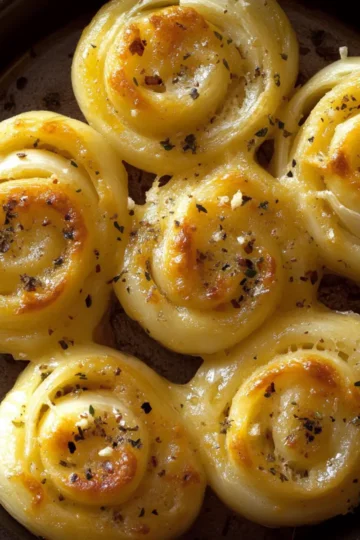
Garlic Herb Butter: Smearing warm ciabatta with a luscious herb-infused butter adds a savory richness that brings each bite to life.
-
Vibrant Arugula Salad: Bright, peppery arugula tossed with a light vinaigrette offers a refreshing contrast to the warm bread, balancing flavors beautifully.
-
Crispy Bacon Sandwich: Simply layer crispy bacon between slices of ciabatta, and indulge in a satisfying combination of crunch and savory delight.
-
Bruschetta Toppings: Top your slices with a mix of diced tomatoes, basil, and garlic for an easy appetizer bursting with fresh flavor. It's a joyous bite that people will rave about!
-
Stuffed Peppers: Serve alongside cheesy, stuffed peppers for a hearty meal. Their robust flavors harmonize splendidly with the ciabatta, rounding out your dining experience.
-
Red Wine Pairing: Sip on a glass of bold red wine like Chianti to enhance both the bread and your overall meal, bringing a taste of Italy right to your table!
-
Homemade Hummus: Pair the ciabatta with creamy hummus for a delightful dip experience. The bread’s texture offers the perfect vehicle for enjoying this popular spread.
-
Fruit and Cheese Platter: Arrange a selection of cheeses and seasonal fruits for a delightful appetizer that pairs beautifully with the bread's crispy crust.
-
Chocolate Chip Cookies: For a sweet finish, serve freshly baked cookies as dessert. The contrast of warm ciabatta and a sweet treat creates an inviting end to the meal.
Expert Tips for Crispy Ciabatta Bread
- Flour Choice: Use high-protein flour: Bread flour or "00" flour yield the best chewiness and texture for your crispy ciabatta bread.
- Fresh Yeast: Check yeast freshness: Always ensure that your yeast is active for optimal rise; old yeast can lead to flat bread.
- Warm Water Temperature: Use a thermometer: Make sure to use warm water around 110°F (43°C) as water that’s too hot can kill the yeast.
- Rising Time: Don’t rush the rises: Both the first and second rises are essential; patience leads to the light, airy texture you desire.
- Kneading Technique: Avoid over-kneading: Knead just until the dough is smooth and elastic to maintain the desired softness in every bite.
- Baking Check: Look for a hollow sound: The perfect bake results in a bread that sounds hollow when tapped, indicating a crispy crust is achieved.
Make Ahead Options
These Crispy Ciabatta Bread loaves are perfect for meal prep enthusiasts! You can prepare the dough up to 24 hours in advance. Simply follow the recipe through the first rise, then shape the loaves and wrap each tightly in plastic wrap before refrigerating. When you’re ready to enjoy, allow them to come to room temperature and rise again for about 1 hour. This method maintains the delightful texture, ensuring your ciabatta is just as delicious as if made fresh. For even longer storage, you can freeze the unbaked shaped loaves for up to 3 months; thaw overnight in the refrigerator before letting them rise and bake. Enjoy freshly baked bread with minimal effort on busy weeknights!
Crispy Ciabatta Bread Recipe FAQs
How do I choose the right flour for ciabatta?
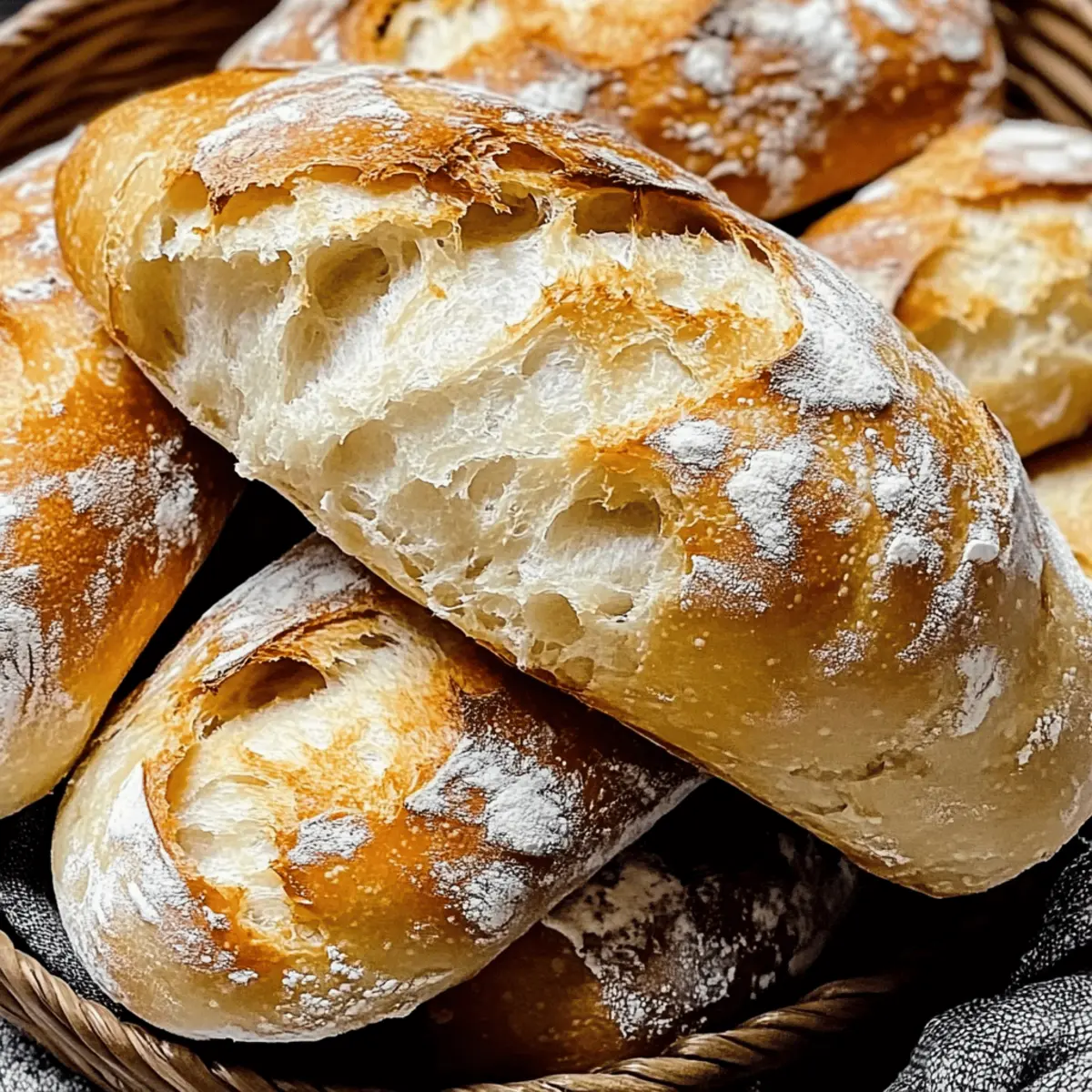
Absolutely! For the best results in your crispy ciabatta bread, I recommend using high-protein bread flour or "00" flour. These types provide a wonderful chewy texture and structure. If you only have all-purpose flour at home, it will work too, but the bread might be less chewy.
What is the best way to store ciabatta bread?
To keep your ciabatta fresh, store it at room temperature in a paper bag for up to 3 days. Avoid plastic bags, as they trap moisture and can make the crust soft. For longer storage, wrap the cooled bread tightly in plastic wrap and then in aluminum foil. This method will keep it tasty for up to 3 months!
Can I freeze ciabatta bread? How do I do it?
Yes, you can freeze your crispy ciabatta bread! After baking and cooling the loaves completely, wrap them tightly in plastic wrap, followed by aluminum foil. Make sure they are well-sealed to prevent freezer burn. When you're ready to indulge, just thaw them overnight in the fridge or at room temperature, and if you want that crispy crust back, pop them in a preheated oven at 350°F (175°C) for about 10 minutes.
What should I do if my dough isn't rising?
Very! If your dough isn't rising properly, it could be due to inactive yeast. Always double-check that your yeast is fresh and still active before use—if it doesn't foam when mixed with warm water, it’s best to start over. Also, ensure that the water temperature isn’t too hot; it should be around 110°F (43°C). If the environment is too cool, try placing the dough in a warmer area.
Are there any dietary considerations for this ciabatta recipe?
Certainly! You can create gluten-free and vegan variations of this crispy ciabatta bread. For a gluten-free option, use a gluten-free bread flour mix. For vegan adaptations, replace the olive oil with a neutral vegetable oil, and make sure all other ingredients are vegan-friendly. It’s all about making this delightful bread accessible to everyone at the table!
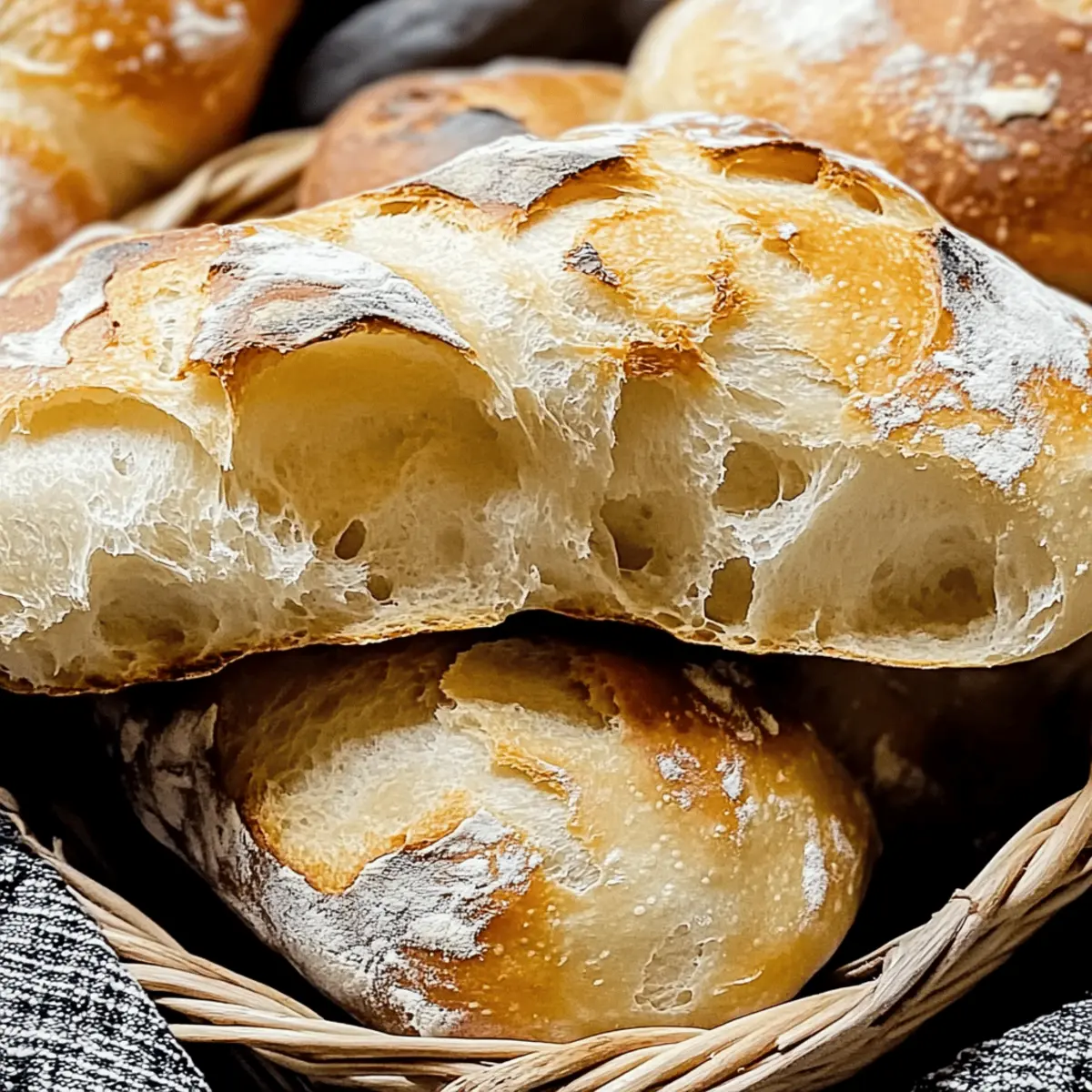
Deliciously Crispy Ciabatta Bread Everyone Will Love
Ingredients
Equipment
Method
- Combine 4 cups of all-purpose flour and 2¼ teaspoons of active dry yeast in a large mixing bowl. Make a well in the center and pour in 1½ cups of warm water. Stir until a shaggy dough forms.
- Knead the dough on a floured surface for about 10 minutes until it becomes smooth and elastic.
- Transfer the kneaded dough into a lightly oiled bowl. Cover with a damp cloth or plastic wrap and let it rise for about 2 hours, or until doubled in size.
- Punch down the dough, divide into two portions, and shape each into a rectangular loaf. Place on parchment-lined baking sheets.
- Cover the loaves loosely with a kitchen towel and let them rise again for about 1 hour.
- Preheat the oven to 450°F (230°C). Drizzle loaves with olive oil, sprinkle with salt, and bake for 25-30 minutes or until golden brown.

Leave a Reply